

Letting Go of Resentment Is Easier Than You Think
Discover the Key to Emotional Freedom

💡 In Today’s Edition:
🌱 Roots Reflection: Stuck in the Maze of Resentment
🧘🏽♂️ Awareness Action: Why We Hold On
💛 Kindness Opportunity: Letting Go with Active Love
🌱 Roots Reflection: Stuck in the Maze of Resentment
Think back to the last time someone upset you. Maybe it was an argument with your partner, a hurtful comment from a friend, or feeling underappreciated at work. Did you find yourself replaying it in your mind, trying to figure out what went wrong—or what you’d say if you could do it over?
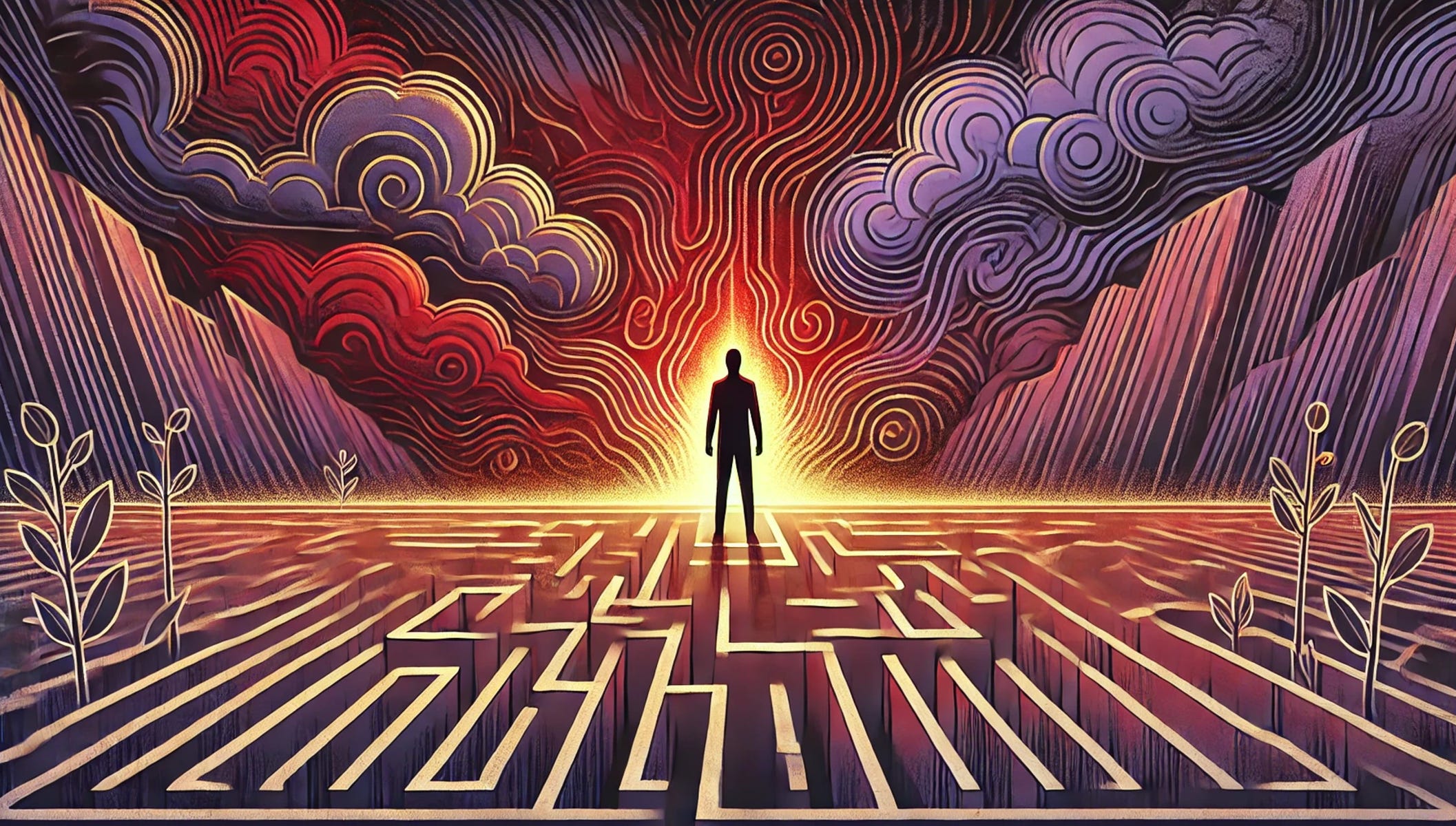
Psychiatrist Dr. Phil Stutz calls this “being in the maze.” It occurs when our mind gets stuck revisiting the past, holding onto anger or frustration. At first, resentment can feel like it gives us control or power, but over time, it drains our energy and keeps us from moving forward.
Naturally, I’ve been there. I say naturally because I think it is human nature to experience this to varying degrees. There was a time when I would often get stuck in the maze. A disagreement with my wife, a frustrating interaction with a friend, or a slight at work could send my thoughts spiraling. I’d stew over it, replaying the moment, justifying my anger. It wasn’t just in my head either—I felt it in my body. My shoulders would tighten, my back would ache, and I’d carry a weight I couldn’t shake.
Ultimately, though, I realized staying in the maze only hurts me.
Reflection: What’s one moment of resentment you’ve been holding onto? Maybe it’s something recent or has lingered for weeks, months, or years.
🧘🏽 Awareness Action: Why We Hold On
Resentment has a way of tricking us. In his book Letting Go, Dr. David Hawkins explains that anger often feels empowering initially. It reinforces our sense of being “right” or justified. Over time, however, it drains our energy and blocks the inflow of positive emotions such as joy and love.
Buddhist teachings echo this idea, viewing anger as a form of attachment. We cling to the idea of how things should have been.
“Forgiveness is giving up all hope of a better past.”
-Jack Kornfield
In this way, holding onto resentment creates an emotional loop that keeps us anchored to pain. Resentment doesn’t just stay in the mind—it often manifests in the body. It can manifest as tight shoulders, back pain, headaches, or digestive issues. Over time, this physical tension reinforces the emotional burden, making it even harder to let go.
Why do we hold on to something that ultimately causes us harm? Hawkins suggests it’s because resentment feels familiar, even comforting strangely. It feeds the ego, giving us a sense of control or superiority. But it’s a false sense of power. In truth, resentment weighs us down, isolating us from joy, connection, and peace.
Action: Before letting go, we need to acknowledge what is. Pause and reflect:
Where do I feel this resentment in my body?
What story am I telling myself about this situation?
What do I gain by holding onto this anger—and what is it costing me?
Awareness is the first step to freedom.
💛 Kindness Opportunity: Letting Go with Active Love
Remember, letting go of resentment isn’t about letting the other person off the hook or excusing their behavior. It’s about reclaiming your peace. At its core, it’s also about choosing love—not necessarily for the other person, but for yourself.
In this context, love isn’t about approval or agreement. It’s about shifting your energy from the heaviness of resentment to something lighter and more freeing. Love creates space where anger once lived, allowing you to heal and move forward.
One of the most powerful tools I’ve found is Phil Stutz’s Active Love technique. Here’s how it works:
Picture the person you’re upset with. Bring their image to mind, along with the feelings you’re holding onto.
Visualize love flowing into you. Imagine all the love in the universe pouring into your heart, filling you completely.
Send that love to them. See it beaming out from your heart to theirs, surrounding them in warmth and light.
Feel the release. Notice how it feels to let the resentment go, making space for peace.
If this feels difficult, try this technique inspired by mindfulness:
Imagine sitting by a river. Visualize your anger and resentment as leaves floating on the water.
One by one, place your feelings on the leaves and watch them drift away.
Let yourself feel lighter with each passing leaf.
These exercises aren’t about changing the other person. They’re about freeing yourself from the weight of negative emotions.
Kindness Opportunity: This week, try one of the letting-go techniques. Practice Active Love or the river visualization. Notice how it shifts your energy. What happens when you make space for love instead of resentment?
Letting go of anger might not seem easy, but it’s worth it. Resentment is heavy, but love is light. When you let go, you feel lighter. You create space for joy, gratitude, and connection.
Ask yourself: Am I willing to trade my peace for the need to feel wronged?
This week, choose peace.
Until next time…
Live Well and RAK On,
Dr. Rak 👊🏽
Great insights! I'm definitely going to work on these ideas!